
The 3 Worst Winter Commute Routes in Waukesha County
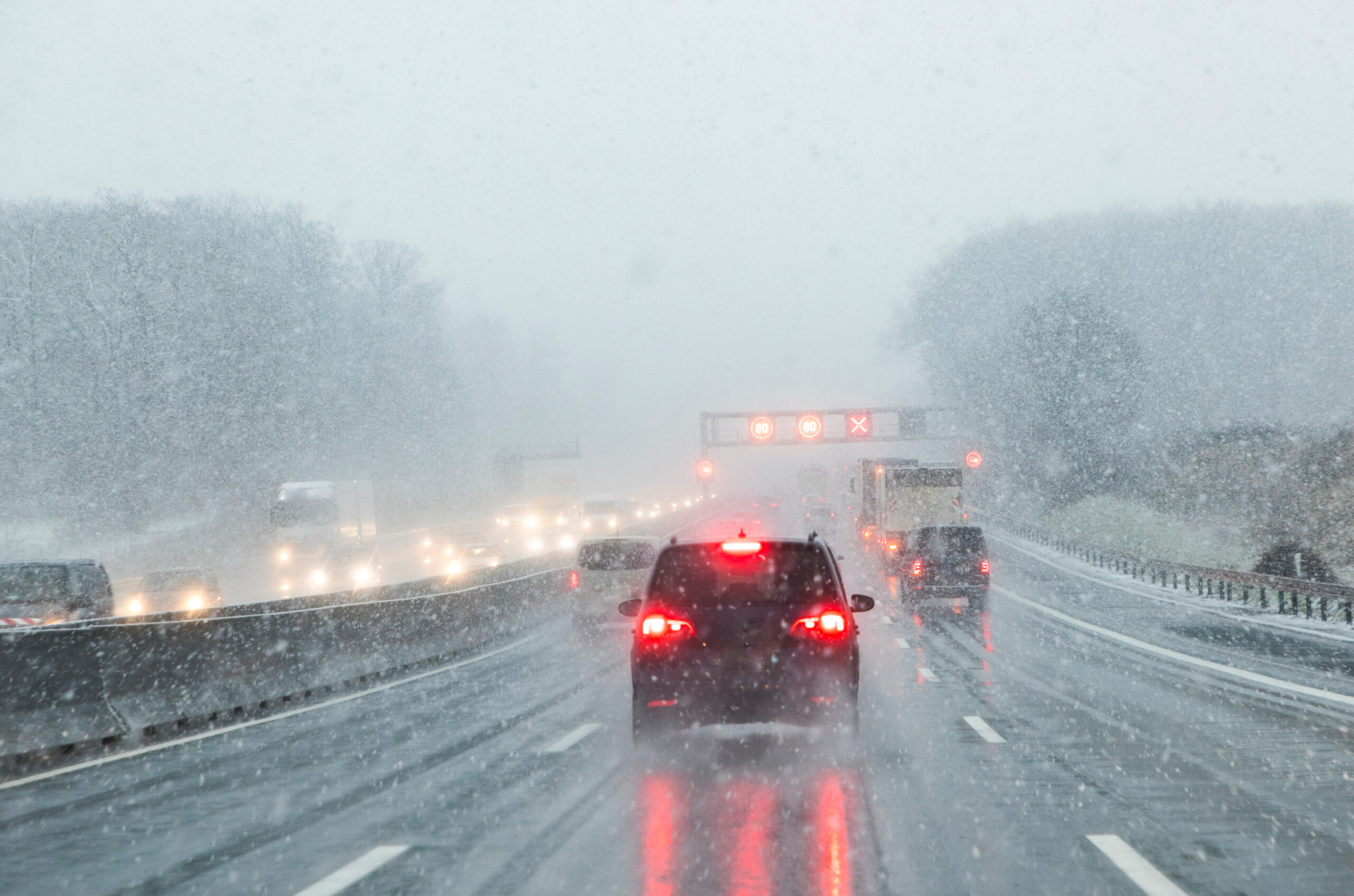
Winter driving in Waukesha County, simplified
Waukesha County commute trouble? Here is a clear look at the three worst winter routes, smarter detours, and practical safety tips. Use this guide to plan a faster, safer drive and beat delays this season. If you are new to the area or rethinking your daily route, Root River Realty brings local insight that helps you choose a home or investment that fits your commute and your goals.
Winter storms in southeast Wisconsin do not play favorites. Black ice, sudden lake effect bursts near the county line, and wide open stretches that collect drifting snow can turn a calm morning into a crawl. The good news is that with the right timing, detours, and preparation, you can make a Waukesha County commute far more predictable. Below are the three routes most likely to slow you down and exactly how to work around them.
How we picked these routes
Our list reflects patterns locals notice every winter. Each corridor has a mix of high traffic volume, exposure to wind and drifting, complex interchanges, or heavy signal density. Road work can change conditions year to year, but the trouble spots named here are consistent performers when the snow flies. Always verify current conditions with Wisconsin 511 and local alerts before you head out.
Worst Route 1: I-94 eastbound from Waukesha to the Zoo Interchange
Why this stretch is so rough in winter
If your Waukesha County commute takes you toward Milwaukee on I-94, you already know the trouble builds as you pass Goerkes Corner and move through Brookfield toward the Zoo Interchange. This corridor combines heavy volume with speed changes, short on and off ramps, and wind exposure. When snow hits, three problems appear fast.
- Quick ice formation under overpasses and on ramps, especially near Barker Road and Moorland Road, where merging pressure is high.
- Lake effect squalls that intensify east of Brookfield, cutting visibility with little warning as you approach the Zoo Interchange.
- Chain reaction slowdowns from minor fender benders in the left lane. One spinout can back traffic for miles.
Smart detours and timing tactics
On plow days, small choices shave big time. Consider these moves if you must head east:
- Use Bluemound Road, also known as US-18, between Goerkes Corner and Brookfield. It runs parallel to I-94 and often clears quickly thanks to frequent plow passes and steady retail traffic. Signals slow you a bit, but the surface can be less icy than the freeway.
- If you are headed to the north side of Milwaukee or the I-41 corridor, consider Capitol Drive or North Avenue as east-west alternates from Waukesha or Brookfield, then drop south later to your destination.
- Leave 15 minutes early on the first measurable snowfall of the week. The early start gets you ahead of the crash curve that tends to begin just after the top of the hour.
Safety checklist for this corridor
- Keep a longer gap near Moorland and Barker ramps to allow for short merges.
- Pick a lane and stay consistent through the Zoo Interchange approach. Weaving multiplies your risk more than it saves time.
- Watch for pavement glaze in shaded spots after sunrise. Refreeze in this stretch is common.
Worst Route 2: I-43 between New Berlin and the Hale Interchange approaches
Why this corridor turns slick and slow
The I-43 run through New Berlin toward the Hale Interchange mixes suburban traffic with open areas that pull drifting snow across lanes. Add steady freight movement and a few sweeping curves and you get a route that punishes overconfidence. Southbound evening traffic can be just as tricky as the morning run.
- Crosswinds and drifting. Sections near Racine Avenue and Moorland Road pick up blowing snow from fields and medians, packing it into ruts.
- Hale Interchange pressure. Even though the interchange sits just into Milwaukee County, backups spill west fast. Sudden braking is common.
- Bridge decks ice first. Expect cold spots on overpasses long after sunshine has cleared the mainline.
Smart detours and timing tactics
- Use National Avenue or Beloit Road as lower speed alternates during peak storms. These routes see frequent plow service and give you better traction feedback at intersections.
- Consider South Moorland Road to connect north or south before cutting back to I-43 when conditions settle.
- If your trip allows it, shift departure by 20 to 30 minutes. This window often avoids the initial slide-offs that trigger the largest backups.
Safety checklist for this corridor
- Slow before the curve, not during it. Braking on packed snow in a curve is a common cause of spinouts.
- Keep washer fluid topped off. Spray from trucks will coat your windshield in minutes during slush events.
- Use low beam headlights in snow to reduce glare and help others see you.
Worst Route 3: Bluemound Road, US-18 through Waukesha and Brookfield
What makes Bluemound a winter headache
Bluemound Road is the classic parallel to I-94, but it can be just as challenging in winter. This corridor runs through retail hubs with tight driveways, tall snowbanks after bigger storms, and nearly constant signals. It is a great alternate on lightly snowy days, yet it punishes drivers who push it when conditions are messy.
- High driveway density. Vehicles dart into and out of parking lots near Brookfield Square and along the Waukesha stretch, which multiplies fender bender risk on slick surfaces.
- Signal timing and packed snow. Plows may stack snow near curbs, shrinking usable lanes and trapping slush where tires need to grip.
- Hidden ice in shaded spots and underpasses, especially early in the morning and after sunset.
Smart detours and timing tactics
- For a calmer crossing, Greenfield Avenue, WI-59, can run smoother in some storms. It often sees earlier plow work during heavy rushes.
- If you are headed north of Brookfield, Capitol Drive, WI-190, provides more consistent speeds once it is cleared, with fewer driveway conflicts.
- Build five minutes of buffer for every inch of forecasted snowfall if you plan to take Bluemound during rush hour.
Safety checklist for this corridor
- Leave extra space at intersections. Turning traffic may slide wide or hesitate on green when surfaces are slick.
- Watch for pedestrians climbing snowbanks near bus stops and retail entrances.
- Avoid last second right turns across slush windrows. They can pull your front end into a skid.
Pro tips to beat a Waukesha County commute in winter
Prep your vehicle for repeat storms
- Mount true winter tires if your commute crosses any of these corridors daily. The stopping difference on ice is dramatic compared with all-season tires.
- Keep a simple kit: jumper cables, compact shovel, traction aids or sand, roadside triangle, blanket, spare gloves, and a small flashlight.
- Clean headlights and tail lights every fuel stop. Visibility is speed in winter.
Use tech and timing to your advantage
- Check Wisconsin 511 before you roll. Look for lane closures or crash markers on I-94 and I-43 approaches.
- Follow local plow updates and city snow emergency notices. Street parking rules change fast during storms and can add time to your morning exit.
- If your schedule allows, shift by 15 to 30 minutes during active snowfall. Staggered departures reduce your exposure to first-wave crashes.
Drive style that wins in snow
- Brake gently and early. Use progressive pedal pressure and allow longer gaps.
- Choose momentum over speed. Keep the car balanced and avoid sudden moves.
- Stay in the cleanest lane. Packed snow with sand often beats glossy, partially melted surfaces.
How commute risk shapes smart real estate choices
A reliable Waukesha County commute is about more than roads. It is also about where you live and invest. Root River Realty, based in Wauwatosa and serving the Milwaukee area and surrounding markets, builds commute strategy into every home search. That includes looking at micro factors that change winter performance from driveway to driveway.
- Plow priority. Homes near municipal arterials and school routes often see faster clearing. We help you read those maps and talk to local public works when needed.
- Driveway design. North-facing driveways, steep grades, or long rural runs call for different equipment and expectations.
- Garage access and HOA rules. Tight turns into garages, stacked parking, and snow storage policies can trim or add minutes to a cold morning.
- Remote work and flex schedule potential. Neighborhood internet options and office proximity to park-and-ride lots can add comfort and resilience.
Investor-savvy insights for winter markets
Investors feel winter risk in occupancy, maintenance, and tenant satisfaction. Root River Realty’s team pairs local knowledge with strategy so your portfolio performs in January as well as in June.
- Tenant demand near winter-resilient corridors. Properties close to hospitals, industrial parks, and major arterials that are first to be plowed often lease faster in winter months.
- Snow management budgeting. We encourage investors to price professional plow service, salt application, and walkway care into pro formas. Safer sites attract and retain quality tenants.
- Transit and park-and-ride access. A short walk to reliable transit can be a meaningful differentiator during storms.
- Insurance and risk control. Good lighting, timely ice mitigation, and clear signage cut slip-and-fall exposure.
Why partner with Root River Realty
Root River Realty is a real estate brokerage founded in 2019 and based in Wauwatosa. The team serves buyers, sellers, and investors across the Milwaukee area and nearby markets with practical, data-informed guidance. Early in the firm’s history, the team closed a 400-property investment portfolio for a long-term client in under 400 days, totaling 38.6 million dollars in sales. That milestone helped cement the firm’s reputation for execution. Since partnering with Keller Williams, Root River Realty has continued to grow, closing tens of millions of dollars in sales and serving hundreds of clients locally, nationally, and internationally.
Services cover both residential and investment needs. For residential clients, Root River Realty guides first-time buyers, relocating families, and sellers through every step, from neighborhood research to smooth closings. For investors, the team supports market research, acquisition strategy, and portfolio growth. Community market expertise is central to the approach. You get neighborhood insights, commute tradeoffs, and real-world advice you can use.
Values matter in winter and beyond. Root River Realty emphasizes integrity, transparency, and clear communication. The team balances local expertise with a global reach, serving clients from outside the region who need on-the-ground context. Leadership brings decades of combined experience across residential and investment sectors, and that experience shapes strategies that match your goals, timeline, and budget.
Neighborhood snapshots for a better Waukesha County commute
For daily I-94 travelers
If you are bound for downtown Milwaukee or the medical complex areas, consider neighborhoods with quick access to Bluemound, North Avenue, or Capitol Drive as alternates on snow days. Homes near Goerkes Corner and east Brookfield often enjoy multiple route choices within five minutes of the driveway.
For I-43 commuters
Parts of New Berlin and Muskego strike a balance between space and access. Look for blocks with direct ties to National Avenue or Beloit Road, and ask about typical plow times on your street. Root River Realty can help you compare street-level conditions among short list homes.
For surface-street preference
If you dislike freeways in winter, target areas near Greenfield Avenue or Capitol Drive where you can maintain steady east-west movement without merging at high speed. Bluemound-adjacent neighborhoods deliver retail convenience but need careful evaluation for driveway snow storage and school traffic impacts.
Quick winter planning checklist for any route
- Know two alternates for your primary corridor. Practice them on a dry day so you are not guessing during a storm.
- Set up alerts for school closings and snow emergencies in your city and in the city where you work.
- Top off fluids every weekend. Cold snaps arrive fast and drain washer tanks quickly.
- Keep a small bag of salt or traction beads in your trunk. It helps on sloped driveways and tight parking spots.
- Use a windshield cover or raise wipers before the storm if you park outside.
- Build a 10 percent commute buffer into your winter schedule. You will arrive calmer and safer.
Local resources to bookmark
- Wisconsin 511 for live traffic and incident reports
- Waukesha County highway snow and ice updates
- City snow emergency notices for your municipality
- Local school district alerts that may shift rush hour patterns
Plan a faster, safer Waukesha County commute this season
Winter will not wait, but a smart plan levels the field. Know the three worst routes, map your alternates, and prep your car and schedule. If your current address makes your Waukesha County commute tougher than it needs to be, Root River Realty is ready to help. We connect the dots between location, lifestyle, and investment performance, and we do it with clear guidance that saves you time and stress. Whether you are buying, selling, or building a portfolio, tap into a team that pairs neighborhood knowledge with proven results. Reach out to Root River Realty to start a conversation about homes and investments that work better in every season, especially winter.