
Best Neighborhoods in Milwaukee, WI for Families (And What Makes Each One Worth Considering)
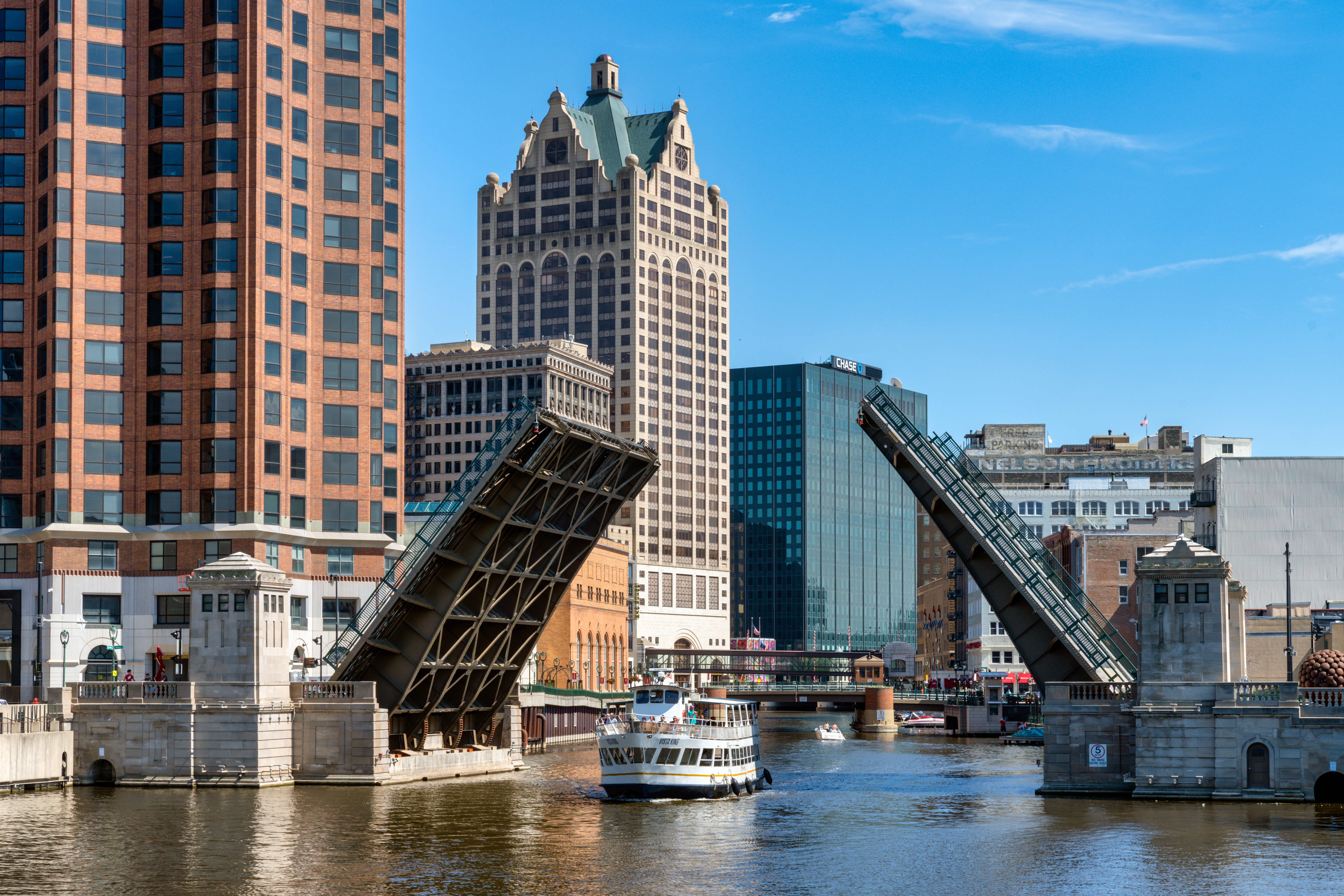
Milwaukee doesn't get enough credit as a place to raise kids. The neighborhoods in Milwaukee, WI for families vary a lot in character, price, and school options, and the right fit depends heavily on what your family actually values day to day. Some buyers want walkability and a neighborhood coffee shop. Others want quiet streets, a big backyard, and a short drive to a good school. A few want both and are willing to look at where those things overlap.
This isn't a ranked list. It's a practical look at six areas that come up consistently in family home searches across the Milwaukee metro, with honest notes on what each one offers and where the trade-offs show up.
What Milwaukee Families Are Actually Looking For in a Neighborhood
Most families searching in Milwaukee are weighing the same short list of priorities: school district quality, proximity to parks or green space, a neighborhood that feels safe to walk around, and a price range that doesn't require stretching the budget into uncomfortable territory.
School district boundaries matter more than many buyers realize upfront. Milwaukee Public Schools serves most of the city, but several inner-ring suburbs, including Shorewood and Whitefish Bay, have their own independent districts with strong reputations. Wisconsin's DPI school report cards are a useful starting point for comparing schools before you fall in love with a house.
Beyond schools, families consistently ask about sidewalks, nearby parks, and how much of daily life can happen without getting in a car. Those answers vary a lot by neighborhood, which is why it's worth going block by block rather than relying on general reputation.
Bay View: Walkable, Creative, and More Grounded Than It Looks
Bay View attracts young families who want a neighborhood with real character and don't want to give up walkability to get it. Kinnickinnic Avenue is the spine of the neighborhood, lined with coffee shops, restaurants, and small businesses that feel genuinely local. Humboldt Park is a short walk from most of the residential streets and includes a pool, a lagoon, and enough open space to actually use on a Tuesday afternoon.
Homes here tend to be older craftsman and bungalow styles, typically from the early 1900s, and the price range runs from the mid-$200s into the mid-$400s depending on size and condition. The Milwaukee Public Schools system serves Bay View, and Bay View High School has developed a stronger reputation over the past decade.
The honest trade-off: Bay View's popularity has pushed prices up faster than some nearby areas, and the older housing stock means buyers should budget for updates. Check the basement and the mechanicals carefully. Our Bay View neighborhood page has more on what buyers are finding there right now.
Shorewood: Top Schools, Tree-Lined Streets, and a Real Sense of Community
Shorewood is a small village technically separate from Milwaukee, but it sits so close to the city's upper east side that most buyers treat it as part of the same conversation. Families come here primarily for the schools. The Shorewood School District is consistently among the highest-rated in Wisconsin, and the K-12 structure keeps kids in the same community from kindergarten through graduation.
The neighborhood itself is dense, walkable, and genuinely pleasant. Oakland Avenue has restaurants and retail within easy walking distance of most homes. Lake Michigan is a few blocks east. Streets like Bartlett and Murray are lined with mature trees and well-maintained homes, mostly colonials and foursquares from the 1920s and 1930s.
The trade-off is price. Shorewood commands a premium, with most family-sized homes starting in the $400s and moving quickly. Inventory is limited and competition is real. If the school district is the priority, it's worth knowing that going in. Our Shorewood neighborhood page covers current market conditions in more detail.
Whitefish Bay: The North Shore Suburb That Still Feels Like Milwaukee
Whitefish Bay sits just north of Shorewood along the lake and draws families who want the same North Shore school quality and neighborhood feel with slightly more suburban breathing room. The Whitefish Bay School District is strong, and the village has its own small downtown along Silver Spring Drive with restaurants, a library branch, and enough daily errands covered on foot or by bike.
Homes here skew larger than in Bay View or the east side, with more four-bedroom colonials and cape cods on actual lots. Prices reflect that: expect to start in the $400s for something move-in ready, with larger homes well into the $600s and beyond.
The honest note: Whitefish Bay can feel more homogeneous than some Milwaukee neighborhoods, and some buyers find it a little quieter than they expected. For families prioritizing a strong school district, low-traffic streets, and proximity to the lakefront, it checks the right boxes. See the Whitefish Bay location page for current listings and neighborhood details.
Greenfield: Quiet Streets, Good Value, and Easy Access to Everything
Greenfield is a city unto itself, just south of Milwaukee, and it flies under the radar in a way that benefits buyers who do their homework. The Greenfield School District is solid, crime rates are low, and the housing stock, mostly ranches and split-levels from the 1950s through 1980s, offers more square footage per dollar than almost anywhere else this close to the city.
Konkel Park is one of the better family parks in the area, with a pool, sports fields, and walking paths. Loomis Road and West Layton Avenue keep most errands manageable without a long drive. Interstate access is straightforward, which matters for families with commutes pulling in different directions.
The trade-off is character. Greenfield doesn't have the same walkable commercial district energy as Bay View or Shorewood. It's genuinely suburban in feel. For families who want good value, safe streets, and a reliable school district without paying North Shore prices, that's often exactly what they're looking for. More context is available on the Greenfield neighborhood page.
Wauwatosa: The One Milwaukee-Adjacent Neighborhood Almost Everyone Ends Up Recommending
Wauwatosa comes up in nearly every buyer conversation involving families in the Milwaukee metro. It's not hard to see why. The Wauwatosa School District is one of the stronger independent districts in the region, the neighborhoods are genuinely attractive, and the location puts you close to both downtown Milwaukee and the western suburbs without feeling like either.
The village area along North Avenue and Harwood Avenue has a walkable, small-town feel with restaurants, a Saturday farmers market, and the kind of sidewalk activity that signals a neighborhood people actually use. Hart Park sits along the Menomonee River and gives families legitimate green space year-round. Jacobus Park on the west side of the community adds more.
Housing options are broader than in Shorewood or Whitefish Bay. You'll find everything from 1,100-square-foot bungalows in the $280,000 range to larger colonials on the east side closer to $600,000. The middle of that range, roughly $350,000 to $475,000, gets a four-bedroom home in a good neighborhood with a real yard.
Competition is consistent. Wauwatosa homes in good condition tend to move fast, and multiple-offer situations are common on well-priced listings. Buyers who've done their research and know the neighborhoods they want tend to do better here than those who are still figuring it out when a house hits the market. The Wauwatosa location page has current inventory and more neighborhood-specific detail.
West Allis: Underrated, Affordable, and Closer to Things Than People Think
West Allis doesn't always make the family neighborhood shortlist, but it probably should. The city borders Milwaukee directly to the west, puts you 15 minutes from downtown, and offers some of the most affordable single-family homes in the metro. The West Allis-West Milwaukee School District has been investing in improvements, and the community has a strong neighborhood identity that doesn't get enough attention.
Kosciuszko Park is a genuine asset: 100-plus acres with a pool, athletic fields, and trails. The city has also seen real reinvestment along National Avenue and Greenfield Avenue in recent years. Homes are mostly solid brick ranches and bungalows, and a move-in ready three-bedroom can often be found in the $180,000 to $250,000 range.
The trade-off is perception. West Allis carries an outdated reputation in some buyer circles that doesn't match the current reality on the ground. Families willing to look past that tend to find more house for their money than almost anywhere else close to Milwaukee. More detail on the West Allis neighborhood page.
How to Figure Out Which Neighborhood Actually Fits Your Family
The neighborhood that works for one family doesn't always work for another, even when the priorities sound identical. Here's a practical way to narrow it down before you start touring homes.
Start with the school district, since that boundary determines a lot. Use Wisconsin's DPI report cards to compare schools by grade level, not just overall reputation. Then map your commutes: both of them, at the times you'd actually be leaving. A neighborhood that looks central on a map can add 30 minutes to a morning if the highway access isn't right.
Next, be honest about lifestyle pace. Do you want to walk to dinner on a Friday night, or do you want a quiet street where the kids can ride bikes to a neighbor's house? Both are valid. They just point to different neighborhoods. Finally, set a realistic price ceiling that includes repairs and updates, not just the purchase price. Older homes in desirable areas often need $20,000 to $50,000 in work within the first few years.
If you're not sure whether you're ready to commit to a search yet, the article on figuring out if you're actually ready to buy is worth reading before you go further.
What to Do Once You've Found the Right Area
Once you've narrowed down the neighborhoods that make sense for your family, the next step is getting specific about what you want in a home and understanding how the market moves in those areas. Inventory in Milwaukee's most popular family neighborhoods turns over quickly, and buyers who show up prepared tend to have better outcomes.
A good starting point is reviewing the home buying guide, which walks through the process from pre-approval to closing in plain language. When you're ready to talk through the neighborhoods in more detail or start looking at specific homes, reaching out to an agent who knows the Milwaukee market well makes the process considerably less stressful than going it alone.
Frequently Asked Questions
Which Milwaukee neighborhoods have the best public schools for families?
Shorewood and Whitefish Bay have independent school districts that consistently rank among the strongest in Wisconsin. Wauwatosa's district is also highly regarded. Within Milwaukee proper, most families rely on Milwaukee Public Schools, where school quality varies significantly by building. Checking Wisconsin DPI report cards by individual school is more useful than relying on district-wide averages.
Is Milwaukee a good city to raise a family in?
Yes, with some nuance. Milwaukee has strong family-friendly neighborhoods with good parks, real community character, and housing prices that are still reasonable compared to many Midwest metros. The experience varies a lot by neighborhood, so doing block-level research matters more than forming a general opinion about the city as a whole.
What's the difference between living in Milwaukee proper versus a suburb like Wauwatosa or Shorewood?
Wauwatosa and Shorewood are independent municipalities with their own school districts, which is a meaningful difference for families with school-age kids. They tend to feel slightly more suburban in pace and have different tax structures. Milwaukee proper offers more neighborhood variety, more price range options, and in some areas, stronger walkable commercial corridors.
How much does it cost to buy a home in a family-friendly Milwaukee neighborhood?
It varies considerably. West Allis and Greenfield offer move-in ready homes starting in the $180,000 to $250,000 range. Bay View and Wauwatosa typically start in the high $200,000s to low $300,000s for smaller homes. Shorewood and Whitefish Bay tend to start in the $400,000s for family-sized homes and move up quickly from there.
Are there safe, walkable neighborhoods in Milwaukee for kids?
Yes. Bay View, Shorewood, the Wauwatosa village area, and parts of Whitefish Bay all have good sidewalk infrastructure, active street life, and parks within walking distance of most residential blocks. Greenfield and West Allis are safe but more car-dependent day to day.
Finding the right neighborhood is rarely about finding the perfect one. It's about finding the one that fits your family's actual daily life, school priorities, and budget without requiring you to compromise on the things that matter most. The areas covered here each have real strengths, and each has honest trade-offs worth knowing before you make an offer.
If you're ready to take the next step, talking through specific neighborhoods with an agent who knows the Milwaukee market is the most efficient way to move from research to a real search. Start with the home buying guide for a clear picture of the process, or reach out directly to talk through where your family might land.