
What It’s Actually Like Living in Greenfield, WI
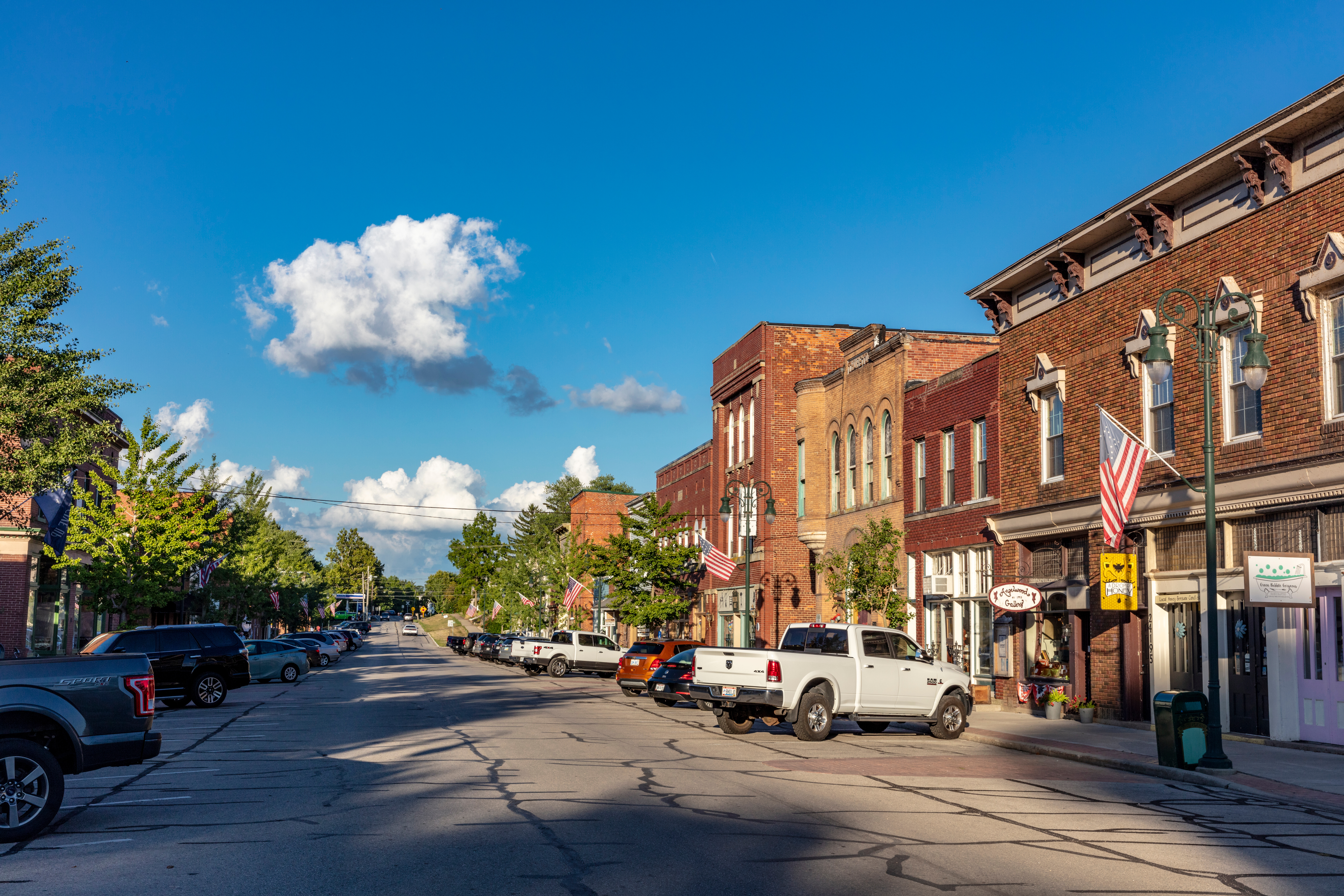
Greenfield sits about 10 minutes south of downtown Milwaukee, and it tends to get overlooked in favor of flashier suburbs farther out. That's partly what makes it worth a closer look. If you're researching living in Greenfield, WI, you're probably weighing real tradeoffs: price, commute, school options, and what the day-to-day actually feels like on the ground. This piece is written to help you do that honestly, not to sell you on the city.
If you're already at the point of searching active listings, the Greenfield, WI location page at Root River Realty is a good place to start. For everyone else still in research mode, keep reading.
Greenfield at a Glance: What Kind of City Is It?
Greenfield has a population of roughly 37,000 and sits just south of West Allis, west of Bay View, and north of Franklin. It's a fully built-out inner-ring suburb, meaning there's no farmland at the edges and no large undeveloped parcels waiting to become subdivisions. What you see is largely what's been there since the 1950s through the 1980s, with some scattered infill and commercial redevelopment over the years.
This isn't a bedroom community designed around a single highway interchange. It has its own city government, its own school district, its own parks system, and a commercial corridor along Layton Avenue that's been there long enough to feel established rather than newly constructed. The city has a working-class and middle-class character that's genuine rather than cultivated. People live here because it's practical: the location is hard to beat, the housing stock is affordable relative to closer-in neighborhoods, and the infrastructure is solid.
For a broader sense of how Greenfield fits into the region, the best places to live in southeast Wisconsin overview gives useful context on how the suburbs stack up against each other.
Neighborhoods in Greenfield Worth Knowing About
Greenfield doesn't have named neighborhoods in the way Milwaukee does, but distinct pockets exist if you know where to look. The area around the Loomis Road corridor tends to have denser housing and more rental stock mixed in with owner-occupied homes. It's not a bad area, but it's busier and more transient than the quieter blocks to the west.
Streets off South 60th and South 76th tend to be calmer, with deeper lots, mature trees, and a higher share of long-term owner-occupants. These are the blocks where people put in gardens, keep their driveways clean, and have lived in the same house for 20-plus years. If you want a quieter, more residential feel, those stretches are worth prioritizing in your search.
The Layton Avenue commercial strip runs east-west through the middle of the city and gives Greenfield its main retail spine. There are grocery stores, restaurants, a hardware store, and a mix of local and national businesses. Living close to Layton is convenient but also means more traffic. A few blocks off it in either direction and the character shifts noticeably.
What the Housing Stock Looks Like (And What Buyers Should Expect)
The majority of homes in Greenfield were built between 1950 and 1975. You'll find ranches, Cape Cods, and split-levels on modest lots, usually with a basement, a one-car or two-car attached garage, and original hardwood floors under whatever's been laid on top over the decades. The bones are generally good. The mechanicals are a different conversation.
Expect to encounter older furnaces, water heaters pushing 15-plus years, and electrical panels that haven't been touched since the Carter administration. Basements deserve particular attention: drainage patterns, any history of water intrusion, and the condition of block or poured walls. Before making an offer on anything built before 1980 here, it's worth reading through the Wisconsin old house basement flags guide so you know what to ask your inspector.
Pricing is directionally more accessible than Bay View or Wauwatosa, though the market moves and any specific number here would be out of date quickly. What holds true is the relative position: Greenfield tends to offer more square footage per dollar than the neighborhoods directly to the north or east. Buyers should also be aware of the deferred maintenance patterns common in this era of housing. The what buyers in Milwaukee are actually avoiding right now post covers some of the signals worth watching for.
Schools, Parks, and Day-to-Day Convenience
Most of Greenfield is served by the Greenfield School District, which runs its own elementary, middle, and high school. A portion of the city, depending on where exactly a property sits, may feed into a different district. Boundary lines are worth verifying with the district directly before assuming coverage, especially near the city's edges. The GreatSchools listings for Greenfield give a starting point for ratings and reviews, though they work best alongside direct conversations with current parents.
Greenfield Park is the city's anchor green space: 268 acres with a golf course, picnic areas, a pond, and trails. It's genuinely well-used and well-maintained. Several smaller neighborhood parks fill in around it. Day-to-day convenience is strong. Groceries, pharmacies, urgent care, and most routine errands are reachable within a few minutes in any direction. The city isn't walkable in the urban sense, but driving anywhere you need is fast.
Getting Around: Commutes, Highways, and Milwaukee Access
This is one of Greenfield's clearest advantages. Both I-894 and I-43 cut through or border the city, which means downtown Milwaukee is roughly 15 minutes away under normal conditions. That's a real 15 minutes, not the optimistic version. Traffic on weekday mornings heading north can add time, but it's never the grind you'd find commuting from farther suburbs.
Mitchell International Airport is close enough that residents can leave for a flight without a hotel stay the night before. That matters for frequent travelers and especially for relocation buyers coming from cities where airport proximity is a given. Access to the south shore communities and to downtown is straightforward from almost any point in the city. There's MCTS bus service along the main corridors, though most residents drive.
What Greenfield Feels Like Compared to Its Neighbors
Greenfield sits in an interesting middle position. Bay View, directly to the east inside Milwaukee's city limits, is more urban and more walkable, with coffee shops, bars, and restaurants you can reach on foot. It also costs more and has a younger demographic skew. Greenfield is quieter and more car-dependent, with a broader age range among residents.
Franklin, to the south, feels genuinely suburban in the traditional sense: newer subdivisions, more space between houses, quieter streets, and less commercial density. If you want that environment, Franklin has it. This comparison of Franklin and Oak Creek goes deeper on that side of the decision. Oak Creek, meanwhile, leans commercial and newer, built around Drexel Town Square and a lot of recent retail development. Greenfield is older and less polished than Oak Creek but closer to the city core.
West Allis borders Greenfield to the north and shares a similar housing era and price range. The distinction between the two cities on the ground can be subtle. For a different kind of suburban comparison, the New Berlin lifestyle page shows what a more western suburb with a different character looks like.
Who Tends to Move to Greenfield, and Why They Stay
First-time buyers show up consistently here, drawn by prices that are more realistic than closer-in neighborhoods without sacrificing the commute. Young families who want a yard, a basement, and decent schools without moving 30 minutes from the city find Greenfield fits that description. Relocation buyers coming from outside the region often land here when they want Milwaukee access without paying Milwaukee's most competitive zip codes.
People stay for the same reasons they came. The commute stays good. The neighborhood stays stable. The house, if they bought in the right block and took care of the mechanicals, holds up. It's not a flashy city and it doesn't try to be. The residents who put down roots tend to value predictability and location over trendiness, and Greenfield delivers on both.
Thinking About Buying in Greenfield? Here's What to Know First
If Greenfield is on your list, a few things are worth thinking through before you start writing offers. The older housing stock means inspection quality matters enormously. A surface-level inspection on a 1960s ranch can miss things that turn into real money. Go deeper, ask for older permits, and treat basement conditions as a priority item rather than an afterthought.
The market moves at different speeds depending on the block. Some streets see homes sit; others see multiple offers in the first weekend. Having a clear sense of what you're looking for before you start helps you move when the right one comes up. If you're still sorting out your own readiness, the how to tell if you're actually ready to buy post is worth an honest read. And the home buying guide at Root River Realty walks through the full process in plain terms if you want a step-by-step reference.
Greenfield isn't perfect for everyone, but for buyers who want city access, reasonable pricing, and a stable community, it keeps coming up as a city that makes sense on paper and holds up when you spend time there in person.
Frequently Asked Questions
Is Greenfield, WI a good place to live?
For a lot of buyers, yes. Greenfield offers a strong location just south of Milwaukee, established neighborhoods with mature trees and solid housing stock, and prices that are more accessible than closer-in communities. It's a practical city rather than a glamorous one. People who prioritize commute, stability, and value tend to find it fits well.
How far is Greenfield from downtown Milwaukee?
Downtown Milwaukee is roughly 15 minutes from most parts of Greenfield under normal traffic conditions. I-894 and I-43 both provide direct access. Morning rush hour can add time heading north, but it's consistently one of the shorter commutes among Milwaukee's south and southwest suburbs.
What are home prices like in Greenfield, WI?
Greenfield is generally priced below Bay View and Wauwatosa but comparable to West Allis. The market changes, so any specific figure here would date quickly. As a directional rule, buyers tend to get more square footage per dollar in Greenfield than in neighborhoods closer to downtown. Older mechanicals and deferred maintenance can affect value significantly, so inspection quality matters.
What school district serves Greenfield, WI?
Most of the city is served by the Greenfield School District, which includes its own elementary, middle, and high school. Some properties near the city's boundaries may fall into adjacent districts. Confirming exact district boundaries for any specific address before purchasing is worthwhile. The GreatSchools page for Greenfield provides ratings and parent reviews as a starting reference.
How does Greenfield compare to nearby suburbs like Franklin or Oak Creek?
Greenfield is older and closer in than both. Franklin has a quieter, more traditionally suburban character with newer housing and more space between properties. Oak Creek skews more commercial and newer, with recent retail development around Drexel Town Square. Greenfield sits between those two in terms of density and feel, with the advantage of being closer to downtown Milwaukee. The Franklin vs. Oak Creek comparison breaks down those two options in more detail.
Greenfield is the kind of city that doesn't announce itself. It's not on anyone's list of trendy places to relocate, and it doesn't have a headline development project drawing attention from outside the region. What it has is location, access, and a housing stock that makes sense financially for buyers who know what they're getting into. If you've done the research and it's still on your list, that's usually a good sign. The city has a way of making sense the more closely you look at it.
The Greenfield listings and location page at Root River Realty is the right next stop if you're ready to look at what's actually available. If you want to compare it against other options in the region first, the best places to live in southeast Wisconsin overview is worth a read before you narrow down.