
Moving to Wauwatosa, WI: What You Should Know Before You Get Here
Wauwatosa keeps coming up for people researching the Milwaukee metro, and it’s not hard to see why. If you’re moving to Wauwatosa, WI, and want to know what to actually expect before signing anything, this guide covers the details that matter: which neighborhoods feel different from each other, what homes cost, how the schools stack up, and whether the market is as competitive as people say. No cheerleading. Just what a local would tell you over coffee.
Start with the Wauwatosa real estate overview at Root River Realty if you want a quick lay of the land, or keep reading for the full picture.
What Kind of Place Is Wauwatosa, Really?
Wauwatosa is a first-ring suburb sitting just west of Milwaukee’s city limits. It has its own mayor, its own school district, and a distinct identity that longtime residents guard pretty carefully. It’s not a bedroom community that exists purely to feed a highway. People actually spend time here.
The eastern side of Wauwatosa has a walkable commercial strip centered on North Avenue and Wauwatosa Avenue. That stretch, known locally as the Village, has independent restaurants, a hardware store, coffee shops, and a Saturday farmers market in warmer months. It feels closer to a dense urban neighborhood than a suburb. Head west and the character shifts: bigger lots, quieter streets, more car-dependent, and a housing stock that skews toward postwar ranch and split-level construction.
The Menomonee River Parkway runs through town and connects to a broader Milwaukee County trail system, which makes it genuinely useful for commuters on bikes and weekend hikers alike. That green corridor is one of the things people mention most after they’ve lived here a while. Visit the city’s official site for parks programming and community event details.
Neighborhoods Worth Understanding Before You Buy
Wauwatosa isn’t uniform. The east side and west side genuinely feel like different markets, and understanding that before you tour homes will save you time.
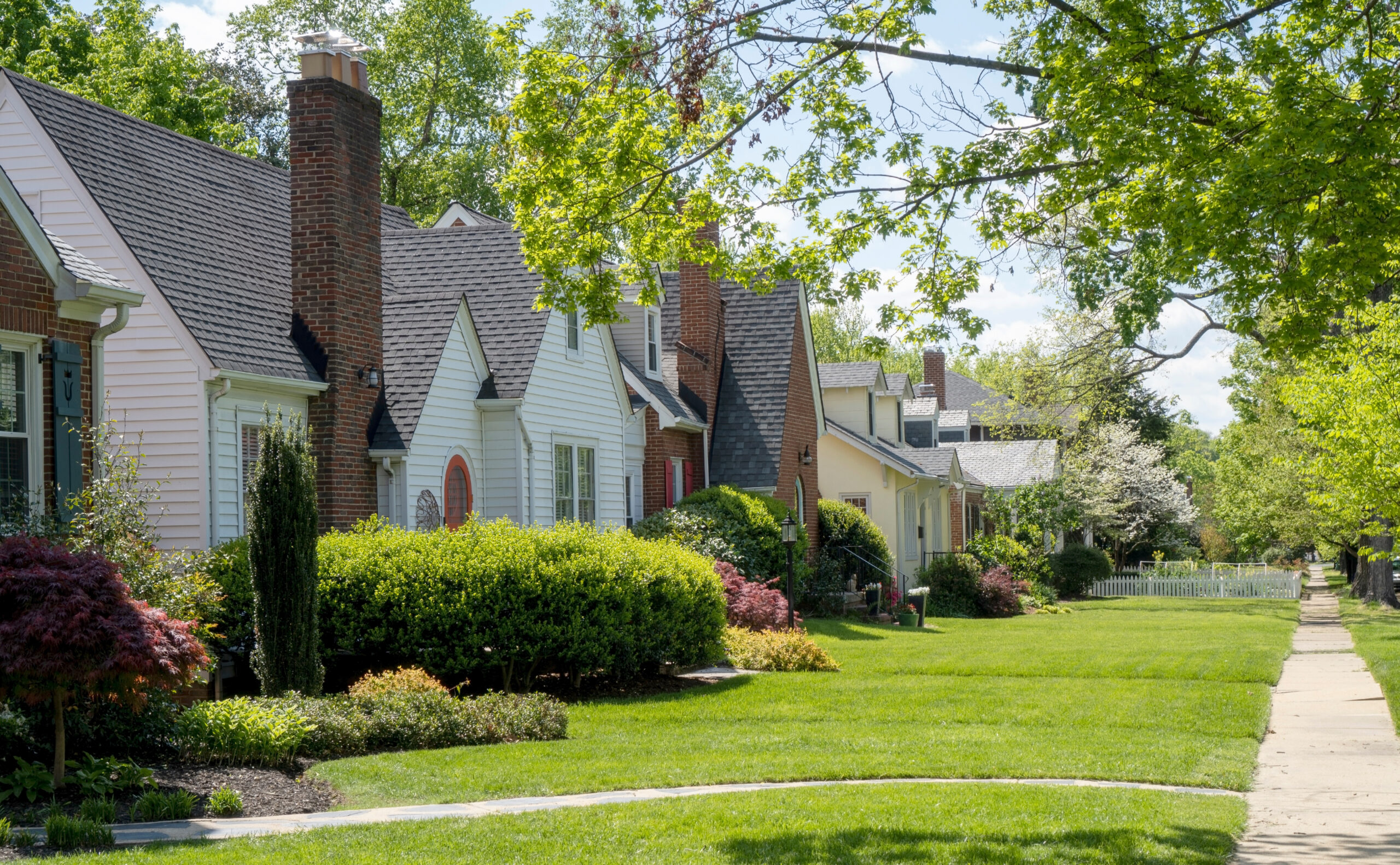
East side (roughly east of 68th Street): This is where you find the older Craftsman bungalows, Tudor revivals, and two-stories built between 1910 and 1945. Lots are smaller, sidewalks are everywhere, and you can walk to the Village for dinner without getting in a car. Price points are higher here, and inventory moves fast. These blocks attract buyers who want urban walkability without a city zip code.
West side: Construction here is mostly 1950s through 1970s: ranches, cape cods, and some split-levels on larger lots. More garage space, more yard, and a slightly lower entry price compared to the east side. Families who prioritize square footage over walkability often end up here.
There’s no bad side. They just suit different priorities. If you’re not sure which fits your life better, that’s worth working through before you start making offers.
Cost of Living and What Homes Actually Cost in Wauwatosa
Wauwatosa trades at a premium to most Milwaukee metro suburbs. School reputation, walkability on the east side, and limited inventory all push prices up relative to comparable square footage in places like West Allis or Greenfield.
As a general frame: entry-level homes in Wauwatosa have historically started in the upper $200,000s, with east-side Craftsman homes and renovated two-stories commonly landing in the $400,000 to $600,000 range. Well-maintained west-side ranches often sit in the $300,000s. These figures shift with the market, so verify current MLS data before drawing hard conclusions from any article you read online, including this one.
Property taxes in Wauwatosa are meaningful. Milwaukee County rates apply, and the city’s assessed values reflect the demand. Factor that into your monthly payment math, not just the purchase price.
Overall cost of living outside housing is fairly typical for the metro. Groceries, utilities, and services don’t carry a notable premium over Milwaukee proper. The housing cost is where Wauwatosa separates itself. If you want to understand whether a specific price makes sense for what you’re getting, this breakdown on spotting overpayment in a competitive market is worth reading before you make an offer.
Schools, Parks, and the Everyday Stuff That Actually Matters
The Wauwatosa School District is one of the most frequently cited reasons buyers choose this zip code over alternatives. The district operates its own schools separate from Milwaukee Public Schools, which matters to a lot of families doing this comparison.
Rather than repeat ratings that change year to year, go directly to GreatSchools for current data. The district’s reputation for academics and extracurriculars has remained strong over time, but you should read recent reviews and look at current test score data, not just reputation alone.
On the parks side, Wauwatosa County Park and the Menomonee River Parkway trail system are genuinely good. The trail is paved, connects to neighboring communities, and gets heavy use from runners, cyclists, and families with strollers. Hart Park has an outdoor pool and an ice rink in winter. These aren’t just amenities on a brochure; they’re things residents actually use weekly.
Grocery access is solid. A Sendik’s and a Pick ‘n Save are both convenient to most of the city. The Mayfair Mall area on the western edge handles big-box retail.
Getting Around: Commute, Transit, and Location Advantages
Location is one of Wauwatosa’s real strengths. The city sits directly west of Milwaukee, which means downtown Milwaukee is roughly 15 to 20 minutes by car from most addresses, depending on where you’re going and when you leave.
Interstate 894 and Highway 45 both run through or adjacent to Wauwatosa, giving reasonable access to the broader metro. Brookfield, Elm Grove, and the western suburbs are accessible without dealing with Milwaukee’s core traffic. For people who split time between downtown Milwaukee and the suburbs, Wauwatosa is a genuinely central location.
Milwaukee County Transit System routes serve Wauwatosa, including lines along North Avenue and Bluemound Road. For full-time commuters who depend on bus service, coverage is workable but not as dense as you’d find in Milwaukee proper. Most residents drive.
Cyclists with access to the Menomonee River Parkway trail can reach Milwaukee’s Hank Aaron State Trail system, which eventually connects to the lakefront. That’s not a casual claim; people actually commute that way.
What the Home-Buying Market Looks Like in Wauwatosa Right Now
Wauwatosa has been a seller-friendly market for most of the past several years. Inventory has stayed tight, especially on the east side, and well-priced homes in good condition have regularly attracted multiple offers. That hasn’t disappeared entirely even as broader interest rate conditions have cooled buyer activity in other parts of the metro.
What that means practically: you need to be prepared before you start touring. Pre-approval in hand, a clear sense of your must-haves versus nice-to-haves, and a realistic timeline. Buyers who show up without those things tend to lose to buyers who do.
New to the buying process or not sure if you’re actually ready? The home buying guide at Root River Realty walks through the steps without the fluff, and the piece on whether you’re genuinely ready to buy or just forcing it is worth reading if you have any uncertainty. The market doesn’t slow down while you figure it out.
Is Wauwatosa the Right Fit, or Should You Compare Nearby Options?
Wauwatosa isn’t the only strong option in the Milwaukee metro, and it’s not right for every buyer. It’s worth being honest about that.
If walkability and older home character are priorities and budget is flexible, Wauwatosa is hard to beat in the western suburbs. But if you’re looking for more square footage per dollar, newer construction, or a quieter pace, communities like Brookfield, Menomonee Falls, or New Berlin might be a better match. Each has a distinct personality.
For a broader comparison across the southeast Wisconsin suburbs, this overview of the best places to live in southeast Wisconsin covers several communities side by side. If you want a closer look at the Milwaukee side of the equation, this guide to moving to Milwaukee is a useful companion read.
Root River Realty works across Wauwatosa and the surrounding suburbs. If you’re trying to sort out which community fits your situation, that’s exactly the kind of conversation worth having before you commit to a search.
Frequently Asked Questions
Is Wauwatosa a safe place to live?
Wauwatosa is generally considered one of the safer communities in the Milwaukee metro. Crime rates vary by neighborhood, as they do anywhere, and the east side and west side can look different in the data. Rather than rely on any single source, check the city’s official crime reporting resources and review neighborhood-level data before drawing conclusions. Don’t let anyone, including a real estate agent, give you a one-sentence answer on this.
How far is Wauwatosa from downtown Milwaukee?
Most Wauwatosa addresses are about 15 to 20 minutes from downtown Milwaukee by car under normal traffic conditions. The eastern edge of Wauwatosa is closer; the western edge near Mayfair is a bit further. Highway 45 and I-894 make the connection straightforward.
What are the best neighborhoods in Wauwatosa for families?
Both sides of Wauwatosa attract families, but for different reasons. The east side offers walkability and older home character near the Village. The west side offers larger lots, more garage space, and slightly lower price points. Proximity to schools, parks, and your daily commute should drive that decision more than reputation alone.
Are homes in Wauwatosa expensive compared to the rest of the Milwaukee metro?
Yes, generally. Wauwatosa trades at a premium to most nearby suburbs, driven by school district reputation, walkability on the east side, and constrained inventory. Entry-level homes have historically started in the upper $200,000s, with east-side homes frequently in the $400,000 to $600,000 range. Always verify current pricing with a local agent or live MLS data.
What is the Wauwatosa school district like?
The Wauwatosa School District operates independently from Milwaukee Public Schools and has a strong academic reputation in the metro. For current ratings and test score data, visit GreatSchools directly rather than relying on secondhand summaries that may be outdated.
Does Wauwatosa have a walkable downtown or village area?
Yes. The Village of Wauwatosa, centered on North Avenue and Wauwatosa Avenue on the east side, is a genuine walkable commercial district with independent restaurants, shops, and a farmers market. It’s one of the more urban-feeling commercial strips in the western suburbs. That said, walkability drops significantly on the west side of the city, so where you buy matters.
Wauwatosa offers something that’s genuinely hard to find in the Milwaukee metro: a walkable east side with older home character, a strong school district, good park access, and a location that keeps downtown Milwaukee within reach. The tradeoff is price. You’ll pay more per square foot here than in most surrounding communities, and the market has stayed competitive even as conditions have shifted elsewhere.
If you’re seriously considering a move to Wauwatosa, the next step is getting specific: which part of the city fits your budget and your lifestyle, and what does the current inventory actually look like. The team at Root River Realty’s Wauwatosa page is a good starting point, and the home buying guide will help you get your process in order before you start scheduling tours.